
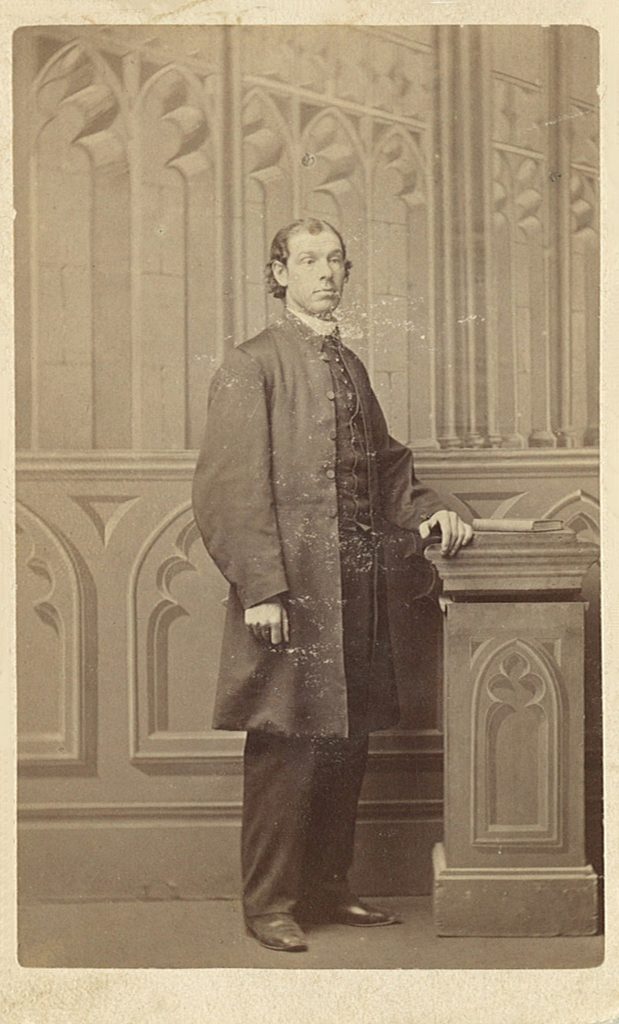
People easily identify Father Julian Tenison Woods as the first parish priest of Penola (South Australia), co-founder of the Sisters of Saint Joseph with Mary MacKillop, renowned scientist and naturalist, gifted speaker, artist, musician, poet and author. However, his personal contribution to education is often overlooked. As the first Director of Catholic Education in South Australia from 1867 to 1871, he established foundations that profoundly shaped Catholic education across Australia, Aotearoa New Zealand and beyond.
In accepting his appointment by Bishop Sheil, Julian brought a deep conviction that education was a central responsibility of the Church. Education was not simply the transmission of knowledge and skills, but a Christian mission aimed at helping individuals reach their full human and spiritual potential.
However, when Julian arrived in Adelaide in April 1867, he was shocked to find Catholic education in such poor condition. There was only a handful of schools, over half the teachers were untrained, attendance was sporadic, and financial resources were extremely limited. Most Catholic families were working-class and lived in poverty. Despite these obstacles, Julian devised an ambitious diocesan-wide system of education. He established a central Council of Education that oversaw school construction, fundraising, teacher appointments, and curriculum development. Local boards, led by parish priests, managed schools at the community level. His vision was to provide both strong religious formation and quality secular education, especially for poor children who otherwise had no access to schooling.
A key development was the arrival of Mary MacKillop in Adelaide in June 1867. She established a training school for teachers and Sisters of Saint Joseph who became the backbone of the Catholic school system. During his four years in office, Julian regularly inspected schools, replaced unqualified teachers, and dramatically expanded the number of Catholic schools.
Because funds were scarce, the Sisters staffed most schools, enabling education to remain somewhat affordable. Julian also wrote textbooks himself and undertook extensive fundraising through lectures, concerts, and appeals to overseas benefactors. To maintain high educational standards, he required schools to follow the teaching methods and curriculum developed by Mary MacKillop and published a Directory outlining school procedures. He believed Catholic schools should equal or surpass government schools in academic quality.
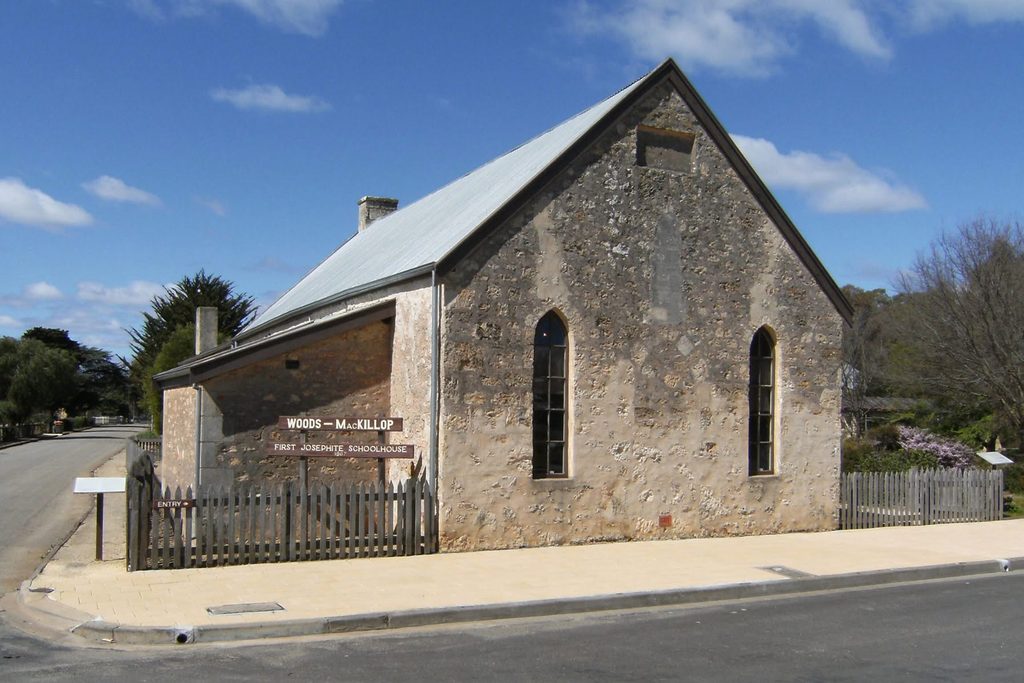
In only three years, Julian opened or built thirty-six schools, an extraordinary achievement. However, the rapid expansion created heavy financial burdens. He also faced opposition from some clergy, particularly those who resented his leadership and English background. Taking on too many responsibilities eventually led to exhaustion and conflict. In 1871, a group of priests persuaded Bishop Sheil to remove Julian from office, and he was effectively exiled to Sydney.
Although his removal might suggest failure, history has judged Julian differently. The educational system he developed became the model for Catholic schooling throughout Australia and Aotearoa New Zealand. As government funding declined, his parish-based approach proved highly effective and was widely adopted. By the end of the nineteenth century, hundreds of Josephite Sisters were operating schools based on his vision. Indeed, Julian’s work ensured that Catholic education flourished, leaving a legacy that transformed the history of Catholicism in Australia.
Mary Cresp rsj will be presenting on Fr Julian as the First Director of Catholic Education in South Australia at the Mary MacKillop Spirituality Centre, Adelaide on Saturday 24 October. Find out more and book here.
Mary Cresp rsj