
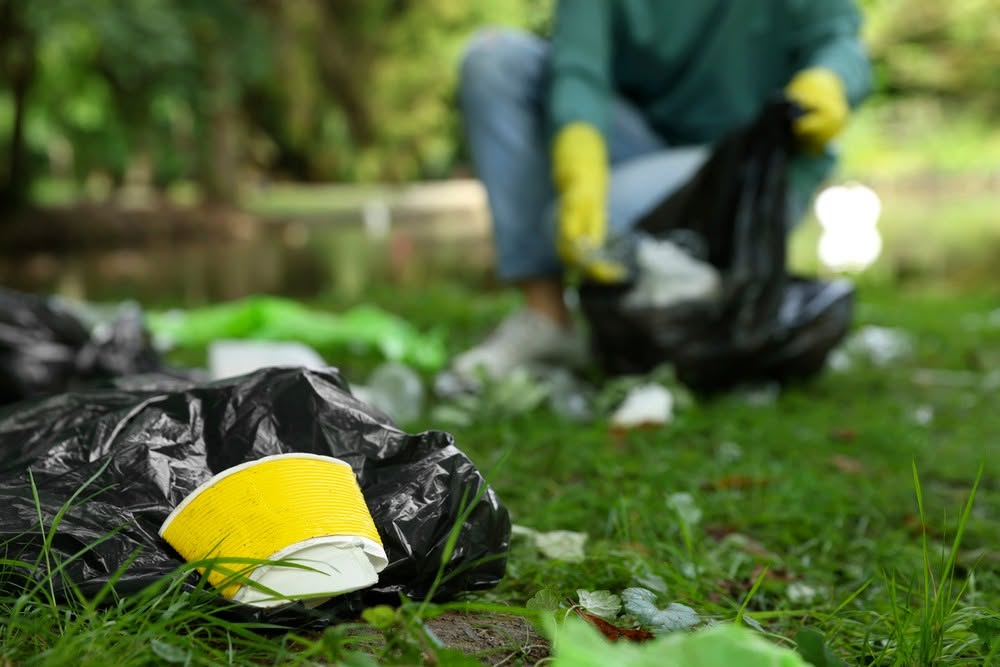
The invitation to reflect on Plastic Free July sparked mixed responses within me. Many small but positive steps have been taken to better manage plastics. For instance, the 2025 Australian ban on single-use plastic straws and plastic cutlery (both standalone and those attached to food containers) is encouraging. Yet, despite these measures, the plastic problem continues to grow exponentially.
The stated aim of Plastic Free July places responsibility for reducing single-use plastics in the hands of millions of ordinary people. But is focusing on single-use plastics for one month sufficient for those who identify as Josephite? Does this approach truly align with the 28th General Chapter Direction Statement, Let the Yeast Rise (Luke 13:21)? What pressure is being applied to manufacturers to eliminate their reliance on virgin plastic?
Basic facts about plastics are well known:
- Most plastics are derived from fossil fuels such as petrol, gas, or coal.
- They are created by heating chemicals to trigger reactions that join monomers into polymers.
- There are around 50 main types of plastic.
- When burned, plastics release environmentally harmful substances.
- Plastic waste does not disappear – it can take hundreds of years to break down, and even then, it becomes microplastics that persist in the environment.
- Plastic pollution is particularly damaging to marine ecosystems, harming countless sea creatures.
While plastics are indispensable in some areas, such as modern healthcare, their disposability remains problematic. As shared by The Lancet, globally an estimated 16 billion plastic syringes and 15 billion face masks are discarded each year.
The World Wildlife Foundation identifies some of the worst single-use plastics and suggests alternatives:
Worst Single-Use Plastics → Suggested Alternatives
- Plastic bags → Reusable eco-friendly bags
- Drink stirrers → Spoons
- Balloons → Paper lanterns, bunting, or bubbles
- Cotton buds → Bamboo alternatives
- Coffee cups → Reusable mugs
- Lids → Often unnecessary
- Plastic cutlery → Reusable metal cutlery
- Polystyrene cups → Bring your own cup
- Plastic containers → Glass, stainless steel, beeswax wrap
- Plastic plates → Reusable alternatives (glass, porcelain, durable plastic)
While many of these items are clearly plastic, less obvious sources are often overlooked.
Many cosmetics contain microbeads or microplastics – tiny plastic particles (less than 5 mm) intentionally added to personal care products. The Beat the Microbead campaign, launched by the Plastic Soup Foundation in 2012, seeks to raise awareness of this issue and encourage practical action.
Microplastics are also present in everyday foods, including bottled water, processed proteins (even plant-based), fast food, dairy products, rice, chewing gum, Himalayan salt, and tea bags. (See 8 Everyday Foods That Are Full of Microplastics).
Even our clothing contributes to the problem. Synthetic fabrics such as polyester, spandex (elastane), polypropylene, fleece, rayon, velvet, and nylon are all plastic-based and can release microplastics into the environment.
So how can we avoid plastics? We cannot eliminate them entirely, but we can make more conscious choices—reducing consumption, choosing higher-quality items, and prioritising reuse and repurposing. When possible, look for certified textiles such as GOTS or OEKO-TEX® STANDARD 100.
What can we appreciate? God’s creation.
What can we change? Reducing the production and use of virgin plastic.
One practical step may be supporting broader initiatives such as the Global Plastics Treaty through organisations like Greenpeace Australia Pacific.
View our previous Soft Plastics Campaign and our commitment to care for creation here.
Henrietta Mooney
Josephite Laudato Si’ Action Plan Team